
The Stories behind the Speed


Weekly Race Guide
Weekly Race Guide
British Grand Prix Race PREVIEW
The intensity is ramping up as we officially arrive at the legendary Silverstone Circuit for the 2026 British Grand Prix. This weekend’s Sprint format presents a formidable challenge, providing teams with only a single sixty-minute practice session to perfect their setups and dial the cars into the optimal operating window. We expect Silverstone to be the first venue where teams prioritize track-specific, low-drag aerodynamic elements to maximize top-end speed. Following the hectic, high-stakes drama of the Austrian Grand Prix, Max Verstappen and the Red Bull Racing squad are hungry to improve upon their best result of the season, fueled by the successful integration of their latest weight-saving package. Meanwhile, Ferrari is eager to rebound from a disappointing outing that saw them finish in P5 and P8; the Scuderia is reportedly bringing a substantial upgrade package focused on the rear of the car, featuring a revised floor diffuser and the much-anticipated, high-downforce Macererana wing. Furthermore, battery deployment will be the technical story of the weekend, as Silverstone’s 5.891 km layout—packed with sweeping high-speed corners and grueling straights—is notoriously difficult for energy harvesting. Drivers will need to be surgically precise with their power management, and, as always, the unpredictable British weather remains a wild card that could throw everything into disarray. It promises to be a defining weekend for the championship contenders, so keep your eyes glued to the monitor—we will see you on track.
Breaking Motorsport news
The FIA has released the first ADUO assessment of the 2026 power unit era, and the results have already sent shockwaves through the Formula One paddock. According to the FIA’s latest ICE Performance Index, Red Bull-Ford has emerged as the benchmark manufacturer, meaning its internal combustion engine will set the reference point for the remainder of the current assessment period. Surprisingly, Mercedes is understood to fall into the 2% performance deficit bracket, while Ferrari has reportedly been classified at more than 4% behind the leading ICE.
The ADUO (Additional Development and Upgrade Opportunities) system was introduced alongside the 2026 regulations to prevent a single manufacturer from becoming untouchable during the new engine cycle. Rather than acting as a Balance of Performance system, ADUO grants additional homologation opportunities and extra development budget to manufacturers whose ICE falls behind the benchmark. Teams between 2% and 4% adrift are awarded one additional upgrade during the current season and one for the following year, while those exceeding a 4% deficit receive two upgrades for both 2026 and 2027.
Under the FIA's reported findings, Mercedes would therefore gain access to a single additional development package, while Ferrari could unlock two separate upgrade opportunities along with increased financial headroom under the power unit cost cap. The decision also highlights an important distinction: the ADUO system measures only the internal combustion engine and not the complete power unit package, meaning manufacturers may still possess advantages—or weaknesses—in hybrid deployment and energy recovery systems that are not reflected by the ICE ranking alone.
If confirmed over the coming days, the FIA's first ADUO ruling could become one of the defining moments of the 2026 season, reshaping engine development plans and potentially influencing the pecking order of the Championship.
Reported by Auto Racer, Motorsport.com, PlanetF1
Austrian grand Prix Race Recap
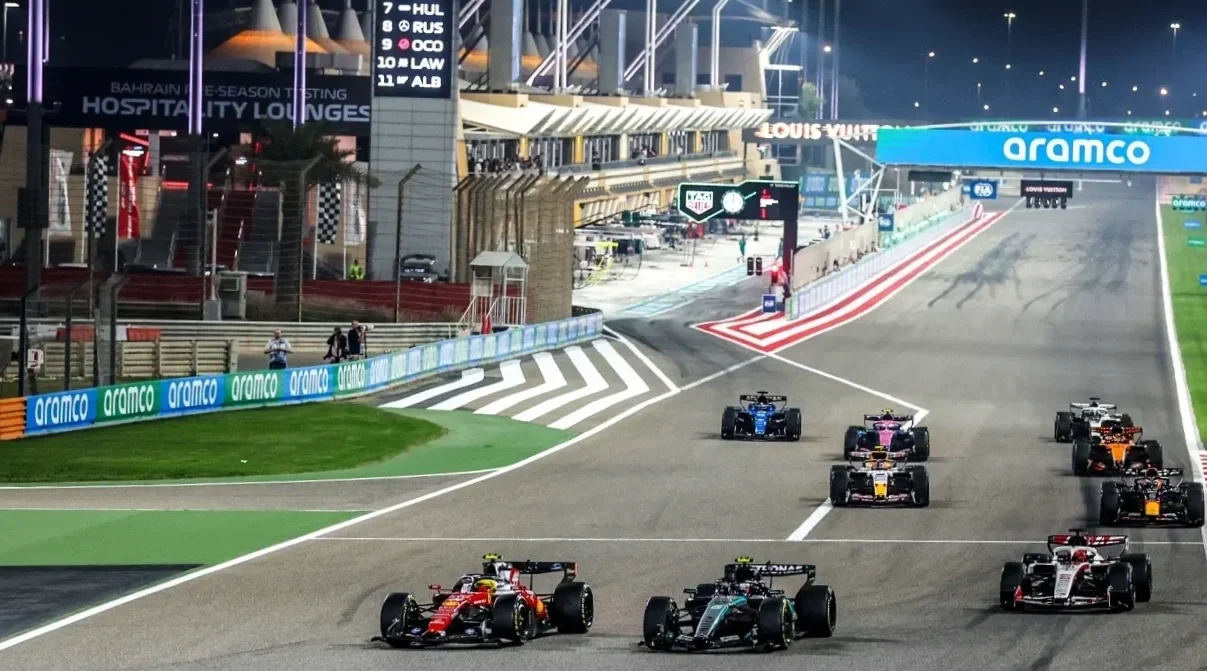
Mercedes strike back in Spielberg as George Russell produced a flawless drive to claim victory at the Red Bull Ring, bouncing back from a difficult run of races and reminding the paddock why Mercedes remain the benchmark in 2026. Starting from pole position, Russell controlled the Grand Prix from lights out to the chequered flag, fending off relentless pressure from Max Verstappen in the closing laps to win by just 1.6 seconds. It was Mercedes’ seventh victory of the season and a crucial response after Ferrari’s breakthrough triumph in Barcelona.
Max Verstappen crossed the line in second after an outstanding recovery drive, having crashed during the closing stages of qualifying and started fifth on the grid. The Dutchman fought his way through the field and came within touching distance of Russell in the final stint, but ultimately ran out of laps. Championship leader Kimi Antonelli completed the podium just 0.3 seconds behind Verstappen, meaning the top three were separated by less than two seconds at the finish in one of the closest endings of the season.
The Red Bull Ring is one of the shortest laps on the Formula One calendar, but don’t let its length fool you. Long full-throttle sections place huge emphasis on straight-line speed and energy deployment, while the heavy braking zones punish tyres and brakes throughout the afternoon. With temperatures soaring in Spielberg, tyre management became one of the defining factors of the race, and Mercedes once again demonstrated why their long-run pace has been the class of the field in 2026.
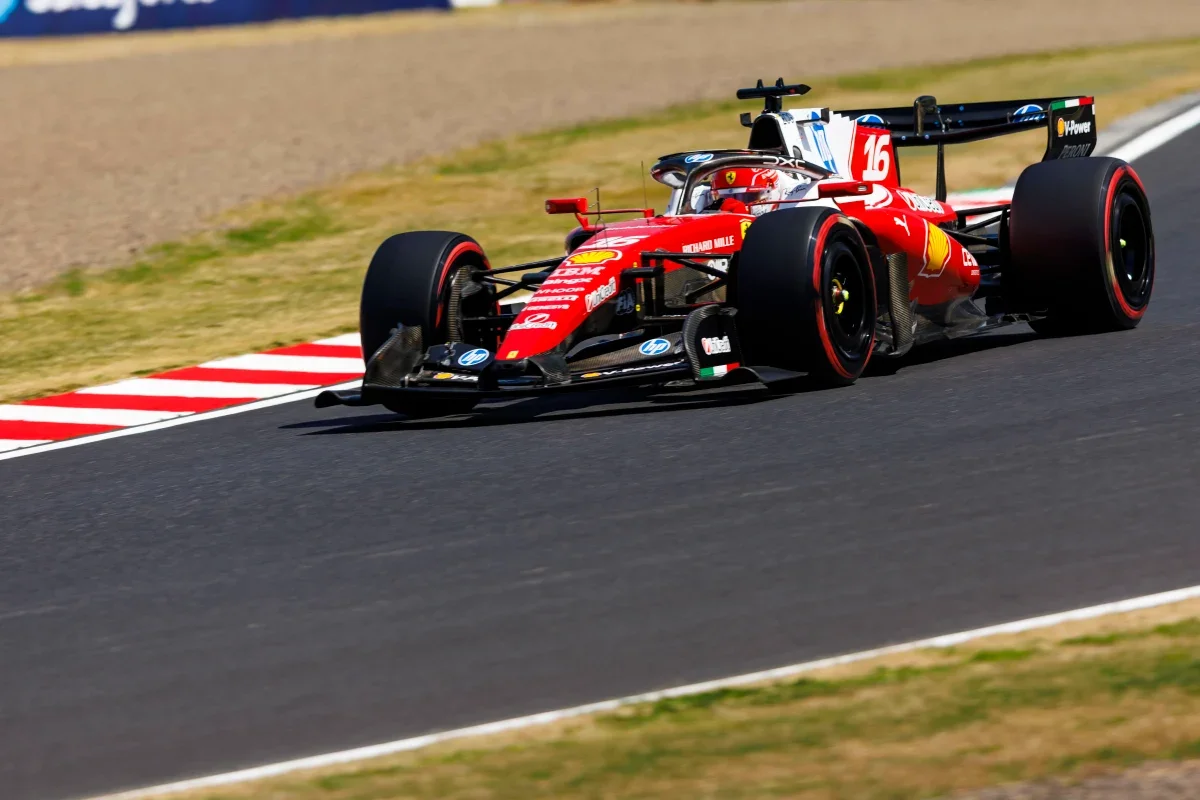
After Ferrari’s dominant victory in Barcelona, many expected the Scuderia to continue their momentum in Austria following the introduction of their highly anticipated engine upgrade. Instead, the weekend proved to be a reality check. Lewis Hamilton could only manage fifth after struggling with tyre degradation and overheating throughout the race, while Charles Leclerc slipped backwards to finish eighth. With Silverstone next on the calendar, Ferrari will be searching for answers as they attempt to understand why the pace shown in Spain failed to translate to a circuit demanding outright efficiency and power.
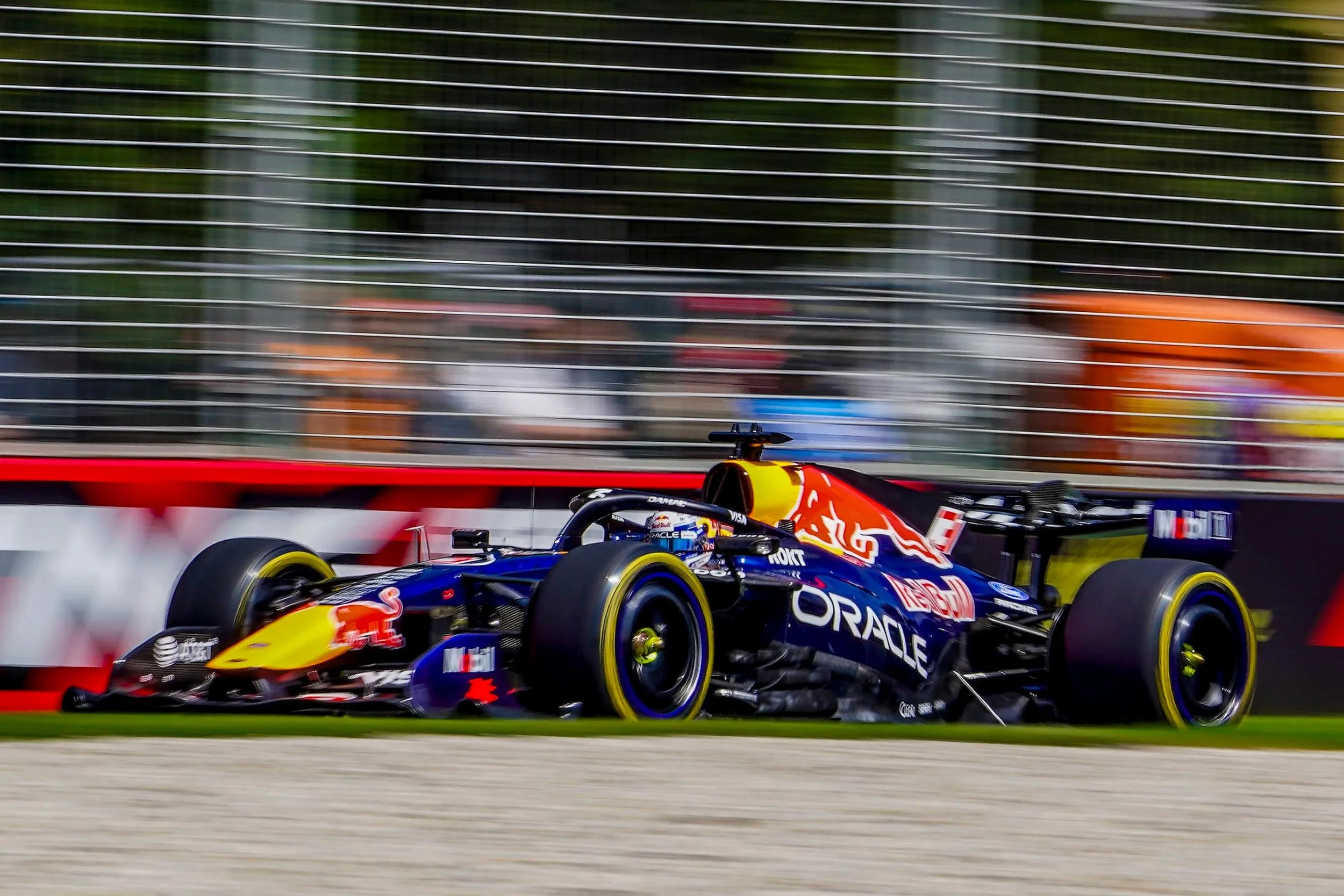
Red Bull will leave their home Grand Prix encouraged after showing genuine signs of progress. Verstappen’s charge to second suggested the latest upgrades have moved the team closer to Mercedes, while Isack Hadjar continued his impressive rookie campaign with another strong sixth-place finish. McLaren endured a relatively quiet afternoon, with Oscar Piastri finishing fourth ahead of Hamilton, while Lando Norris salvaged seventh after another difficult weekend. Racing Bulls continued their excellent run in the midfield as Liam Lawson and Arvid Lindblad secured ninth and tenth, while Cadillac suffered a nightmare afternoon with both cars retiring in the opening laps alongside Lance Stroll and Carlos Sainz.
Attention now turns to Silverstone for Round 9 of the 2026 Formula One World Championship. With Mercedes back on top, Red Bull showing renewed pace, and Ferrari desperate to bounce back after a disappointing weekend, the British Grand Prix promises to be another fascinating chapter in what is becoming an unforgettable 2026 season. See you then.